Eikev for TAA

(Delivered August 16, 2025)

Shabbat shalom!

I’d like to start with a quick survey. Raise your hand if you’ve ever made a mistake. Great. I’m not the only one.

Mistakes, as I often tell my children (and myself), are part of life. We all make them, for all kinds of reasons. And if you were to take the third triennial of Parshat Eikev as the entirety of the parsha, you would make the mistake of thinking the covenant with God was much simpler than it actually is. There is a broader context for the question that opens our reading, a whole framework that brings that question to life. 

We come into the conversation in the middle, so to speak, as the Torah raises the topic of what God wants from us in order to uphold our end of the covenant. The expectation from God is high: יראת השם—fear or reverence for God—plus loving and serving God and walking the paths of the divine. This is a relational way of thinking about something ephemeral. It’s quite a tall order, and maddeningly hard to measure in terms of success. Relationship-building is full of challenges, even with tangible, proximate humans. How much more difficult, then, to be in this kind of relationship with … an idea, an abstraction which is definitionally out of reach.

The missing context, which complicates the discussion, is that there has been a breach prior to this. Earlier in the parsha, Moses recounts the story of חטא העגל—the sin of the Golden Calf originally told in the Book of Exodus. While Moses is up on Mount Sinai getting the tablets inscribed with God’s teachings, the Israelites have a spectacular meltdown, panicking at the sheer difficulty of their newfound monotheism. They crave something—anything— to give them a sense of divine presence, and so they take all their gold and turn it into a statue of a calf to worship. Moses describes the aftermath of this episode in excruciating detail: God’s furious desire to punish the Israelites, Moses smashing the tablets, and then grinding the idol to dust. This is a terrible rupture, a grievous mistake.

It seems irreparable. Our worst mistakes often do.

I spoke with someone this week who shared their own story of a grievous mistake, something that came about in a time when their mental health was compromised, leaving them susceptible to unwise decisions. As they spoke, I thought: this is so human. This is a person of deep integrity and compassion who had fallen into a situation that caused harm. It could happen with any of us, and perhaps it even has.

To reflect on this person’s story in the same week as I was preparing Parshat Eikev was instructive. Because the Torah teaches us that while our mistakes—even the worst ones—are real, and consequential, they are not unforgivable. Our tradition doesn’t shy away from the harm that human behavior can cause, but neither does it insist that we remain in a state of degradation forever. Even the Israelites’ act of עבודה זרה—idolatry—a sin which is considered in the same category as murder and adultery, does not define the trajectory of our people for all time. 

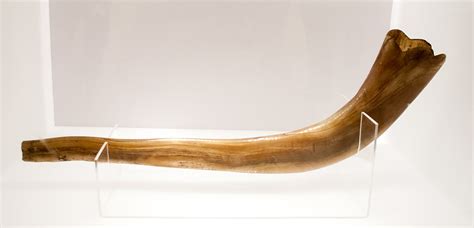
The parsha goes on to describe a second set of tablets, a second chance to engage with our side of the covenant. God allows Moses to come back up to the top of Mount Sinai, offering a fresh start. Moses brings down the new tablets and places them in the Aron, the holiest place in the mishkan, so that the Israelites can keep this holy teaching with them as they go. But the repair doesn’t end with that. The Gemara states, on Menachot 99a:

רַב יוסֵף מְלַמֵד שֶהַלוּחוֹת וְשִבְרֵי לוּחוֹת מוֹנַחִין בַּאַרוֹן
Rav Yosef teaches that the tablets
and the shards of the tablets rest in the Aron.

Rav Yosef’s statement might seem counterintuitive. Surely carrying around our worst mistake can only be discouraging and burdensome. What could possibly be the benefit of having to live with the reminder of ourselves at our lowest and most vulnerable moment? 

I think Rav Yosef’s profound teaching is that retaining the vision of the worst thing we’ve ever done, keeping it close by, allows us to see how far we’ve come. Our mistakes are a record of our growth, like the rings of a tree. Erase the memory of all the bumps in the road, and what remains is a falsified, whitewashed history—a curated image that has nothing to do with reality. We are formed by our deeds—even the ones that cause us the most pain to think about. And if our worst errors give us a chance to learn, they are not a waste.

In fact the rabbis posit in a few different places in the literature that perhaps God is, in some way, glad of our mistakes: יישר כח ששתרת—it’s good that you broke them. It isn’t that God relished the sin of the Golden Calf—surely not! But that horrific episode gave the Israelites a sense of what was at stake, and gave them a chance to know God in a different way: as a presence that offered a new beginning. The two sets of tablets together are a symbol for moving past heartbreak and self-recrimination into a stronger commitment to what’s important. Breaking makes room for something new, for something to grow where perhaps stagnation had taken hold. 

As we move into the season of the Days of Awe, thoughts of repentance begin to crowd our minds. What are the deeds we feel ashamed of, and how can we move beyond them? As we take on the work of תשובה—of return—we reset our moral compasses to direct us away from all the wrong paths onto which we might have strayed. But as we examine our past failures, let’s carry them lightly alongside us and allow them to teach us—to bear our lapses with grace, to draw courage from the ways we’ve overcome our lesser selves, and to move forward, the stronger for having been broken.

Shabbat shalom!
Yom Kippur Sermon for TAA

(Delivered October 12, 2024)

Shabbat shalom! Shanah tovah!

In one of my previous incarnations, I worked as a singer and actor, and as such, I became deeply devoted to the TV show, “Inside the Actor’s Studio.” On the show, host James Lipton would interview high-profile actors about their approach to the craft, citing examples from their work and talking about how they built this or that character. The conversations were individual to whichever actor was in the hot seat, but each episode ended the same way, with Lipton giving his guest a questionnaire consisting of, I don’t know, seven or eight questions—what sound or noise do you love? What is your favorite word? Your least favorite word? And so on. Lipton’s final question was the most intriguing: If Heaven exists, what would you like to hear God say when you arrive at the Pearly Gates?

Admittedly, the Christian image of the pearly gates might not resonate. But even if we don’t relate to the mental picture, we can surely relate to the question: If we had a chance to meet God panim el panim—face to face—what might we wish for God to say to us? What would we like to learn is God’s essence, God’s true nature, God’s message for us?

In my days of watching Inside the Actor’s Studio religiously, I was not in the habit of thinking about God, much less imagining a personal meeting. But also, in those days, my sense of God’s nature was fairly one-dimensional, a very conventional one in our culture: I pictured an old white guy with a long beard and billowy robes, either sitting on a throne or floating around on a cloud. This image in my head was informed by children’s books and the occasional New Yorker cartoon, and had so little to do with my actual experience as to be laughable. Although I was an adult by then, my idea of God hadn’t really changed since I was about six. 

Over the ensuing decade or so, I guess I got a system upgrade when it comes to how I think about God. And so, with more trepidation than you might think, I’d like to use this time to talk about God. I figure since I’ve already talked about Israel and Gaza, I might as well take a real risk. But all kidding aside, if your rabbi doesn’t take God seriously, who will? 

The image called up by James Lipton’s “pearly gates” question is in tension with today’s Torah and Haftarah readings, and with the depth and breadth of the universe of Jewish thought. So let’s look at the readings first. 

This morning, in Parashat Acharei Mot, we meet a rather forbidding God, a God who, after the sudden and unexplained deaths of Nadav and Avihu, seems to return to business as usual, giving instruction about the proper way to approach the Beit haMikdash (the ancient Temple). This leads into a fairly detailed imagining of the Kohen Gadol, the High Priest, encountering God—not in the heavens, but rather in the earthly realm, in the innermost chamber of the Beit haMikdash, the Holy of Holies. In this moment of solitude and heightened occasion, with the weight of the community and its sins on his back, the Kohen Gadol will have a fleeting encounter with the presence of God. And because he will be entirely alone—he being the only human with this security clearance—we are left on the outside to wonder what it might be like. This exclusivity is in sharp contrast to the Haftarah, in which we read: 

דְּרָכָיו רָאִיתִי וְאֶרְפָּאֵהוּ וְאַנְחֵהוּ וַאֲשַׁלֵּם נִחֻמִים לוֹ וְלַאֲבֵלָיו׃

בּוֹרֵא נִיב שְׂפָתָיִם שָׁלוֹם  שָׁלוֹם לָרָחוֹק וְלַקָּרוֹב אָמַר יי וּרְפָאתִיו׃

I have seen their ways, and will heal them: I will guide them, 

and comfort the mourners among them. 

Create consoling words, bring peace, peace to far and near,
and heal them, says Adonai.

The Haftarah’s God is a God who sees human imperfection with compassion. In contrast to the Torah reading, we find here a God who is present with the people, a God who heals and consoles, a God who makes a particular point of offering peace and consolation to those who need it. Rashi doubles down on this more accessible God, saying that the “near and far” refers to those who are accustomed to the ways of Torah and to those who are either new to it or have fallen away and returned. Importantly, by Rashi’s estimation, שְׁנֵיהֶם שָוִין—the far and the near are equal. 

The mincha Torah reading this afternoon will add another layer to consider, with instructions for holiness punctuated by the repeating refrain of אֲנִי יי אֱלֹהֵיכֶם—I am Adonai, your God. Be holy, because I am holy, and here’s how. The mincha Torah reading lays out standards for behavior that, if followed, allow for us to become more like God. By honoring parents, rejecting idolatry, cherishing the dignity of the economically needy, treating all with integrity, including speaking up rather than letting resentments fester, we are emulating God. The face of God that emerges from this description is one of high ethical and moral standards. 

Our final scriptural reading of the day, the Haftarah for mincha, is the Book of Jonah. There we find a God who performs an improbable rescue, redeeming Jonah from the belly of a huge fish. Of course, Jonah is in there in the first place because he runs away from God’s instruction to serve as a prophet, so God decides to teach him a lesson. The teaching doesn’t stop there. When, later, Jonah is angry with God for accepting the teshuvah of the citizens of Nineveh and therefore not destroying them, God gives Jonah a profound teaching in empathy. So now to the images of God as stern rule-giver, or as comforter of mourners, or as moral exemplar, we add the idea of God as teacher.

Expanding our vision beyond today’s readings to the biblical corpus as a whole, we discover seemingly endless dimensions of—and metaphors for—the nature of God. In Psalm 146 God is One who

עֹשֶׂה מִשְׁפָּט  לָעֲשׁוּקִים נֹתֵן לֶחֶם לָרְעֵבִים [יי] מַתִּיר אֲסוּרִים

יי] פֹּקֵחַ עִוְרִים [יי] זֹקֵף כְּפוּפִים [יי] אֹהֵב צַדִּיקִים]

Brings justice to the oppressed, gives bread to the hungry,
frees the captive, restores sight to the blind,
lifts those who are stooped over,
and loves the righteous.

Then again, God is also creator of the natural world, as we’ll read in the opening chapters of Breishit in a couple of weeks. Many of us, unlike the Kohen Gadol, find God’s abiding presence in the woods, by the ocean, or surrounded by living beings.

God as bringer of justice, feeder of the hungry, healer of life’s wounds, author of creation… These hopeful images work well when things are going well. But I have to admit they are a tough sell in this moment of deepening crisis in the Jewish world. When Israel is under attack from multiple fronts, when many both in Israel and the diaspora worry that the current leadership has lost its moral footing, when antisemitic rhetoric becomes less and less unacceptable, when the world feels perilous for us, the notion of God coming to the rescue can be eclipsed by the sense of הֶסְתֶר פָּנִים—that God’s face is hidden. A concept rooted in a verse from Parshat Vayelech, הֶסְתֶר פָּנִים has become a way to talk about those historical periods when God seemed absent from the scene, a way of addressing the question of how God could allow great tragedy or unbearable pain in a world which is supposedly suffused with God’s glory.

This past Monday was the secular anniversary of the barbaric October 7th Hamas attack on Israel. Seeing photos of the destruction, hearing survivor stories, remembering the hostages who were killed and those who may yet be alive but are surely suffering, it’s all too easy to wonder, where is God in all this? Where do we turn when catastrophe is suddenly plausible?

For this, we need to resort to the long view, the eternal nature of God that we encounter in daily prayer when we say:

אַתָּה הוּא עַד שֶׁלֹּא נִבְרָא הָעוֹלָם 

אַתָּה הוּא מִשֶּׁנִּבְרָא הָעוֹלָם 

אַתָּה הוּא בָּעוֹלָם הַזֶּה 

וְאַתָּה הוּא לָעוֹלָם הַבָּא

It was You before the world was created
It is You who created the world
It is You in this world
And it will be You in the world to come

Let me repeat that in all its gorgeousness: 

It was You before the world was created
It is You who created the world
It is You in this world
And it will be You in the world to come

This beautiful verse locates the unity of God, and God’s enduring nature, in the ever unfolding universe, in the passage of time. As we learned from the Sfat Emet last night, the unity of God encompasses that which appears good and that which is not yet assimilated into goodness. Even the ashes of the burnt offering—an image that may make us shudder a bit—might unlock something good in the future. The world and its goodness are ever unfolding.

This is not an easy metaphor to get close to; we may long for a less abstract sense of God, for a God who is right here by our side. And the idea that horrific tragedy might someday give rise to something better runs the risk of sounding like justification. I know I’m treading dangerously close to “everything happens for a reason” territory, and I want to be clear that’s not what I mean. But things are happening all the time, and the happening itself is an aspect of God, and what it will come to mean is often still being revealed and created.

To have a non-corporeal, singular, unfolding God means that sometimes God seems hidden or distant. Think about a folded piece of paper. As it unfolds, different shapes manifest themselves. Edges and planes move away as a natural part of that process; geometry demands it. That moving away can really sting. But inevitably things change and change again. Time does its magic. The unfolding continues.

And as this beautiful, terrible, mysterious world unfolds, we can find our connection to the divine in so many ways: in nature, in the riches of our tradition, and in one another. To paraphrase the Sefer Hasidim, a 19th-century halachic work by Yehuda HeHasid: “Two people carrying a load would not be able to carry it as well separately, as together. Two people raising their voices are more apt to be heard than if they cry separately.” If each and every one of us is created בְּצֶלֶם אֱלֹהִים—in the image of God—then every encounter with another person has the potential for holiness, for the experience of God’s presence. Singing together, praying together, laughing, crying, talking about things that matter, or simply being together in companionable silence can all draw us closer to the divine, and draw the divine closer to us. I think of the last words of Rabbi Tzvi Hirsh of Liska, as reported by his grandson Rabbi Zev Wolf. As he lay on his deathbed, surrounded by several generations of his beloved family, Tzvi Hirsh, the Lisker Rebbe, said: “My children, if you cling to God, it will be good for you.” My dear community, may it be good for you, and may you find the face of God that can hold you close and that you can hold close in these trying times. 

G’mar tov and shanah tovah!

Kol Nidrei Sermon for TAA

(Delivered October 11, 2024)

Shabbat shalom & Shanah Tovah!

A saying in the recovery community that has jumped the tracks to mainstream usage holds that doing the same thing over and over again, and expecting different results, is the definition of insanity. Turns out it’s also an uncomfortably accurate description of how we humans sometimes approach the process of teshuvah. Maybe it’s different for you, but every year around this time, I settle in and focus on what went wrong in the past year and what I hope to improve in myself. I talk to the people in my life that I think I may have hurt and ask to make peace. I resolve to be more patient, more thoughtful, more generous. I plan all the ways I’m going to contribute to my communities: the meals I’ll deliver, the people I’ll call, the donations to worthy causes I will make. I imagine myself a year from now, glowing with the shine of authentic virtue. And then, even so, somehow my humanity gets the better of me every single year. 

I first started to realize this while doing a family Tashlich several years ago, when Akiva and Gideon were little. Bill and I scouted out a place in Newton near a body of water, packed some snacks, got everyone dressed and into the car, and headed over. After a short walk, we found ourselves in a clearing in the woods and talked earnestly about what we wanted to throw away from the past year and what we wanted to do better. What struck me—with both hope and rue—was how much our comments resembled those of years past. The things we wanted less of in the new year—arguing, thoughtlessness, impatience, meanness—were exactly the things we had wanted less of in the year just ended. Did we really do such a bad job of it the last time (and the time before and the time before the time before) that we’d have to work on the same things yet again this year? It’s discouraging to name the same errors year after year, to set the same intentions as the year before and know that we’re likely to be setting (or re-setting) them—same time, next year.

But our wise liturgy already knows this about us. Kol Nidrei is literally a legal formula that admits to failure before we’ve even started. It says, essentially, we have the noblest of ambitions and incredibly good intentions. But we don’t really have such high hopes that we’ll fulfill them. In fact, our expectations are so muted that we’re saying out loud—three times—that we are going to do our best but we already know we’re going to miss. 

Because missing is what humans do. 

In tomorrow morning’s Torah reading, we’ll hear about the origins of Yom Kippur: the High Priest’s ritual for taking on and discharging the whole community’s errors. We’ll hear about his sacrificing animals, about his sending off a goat invested with all the sins of the Israelite people, about his entering the Holy of Holies to encounter God and make atonement on behalf of his community. And the final move we’ll hear about is the commandment to do it again every year, for all time. From the beginning, teshuvah was destined to bear repeating. It’s a feature, not a bug.

If you’re feeling cynical, you might start to think: Teshuvah doesn’t work! So why do we do it?!

After the realization I just mentioned, I wondered the same thing. A lot. What is the point of all this self-reflection, all this redirection, all this apologizing? Where’s the payoff if I still have to do it next year, sometimes with the same people, and about the same issues? 

Little by little, I’m coming to see that when it comes to teshuvah, process and results are both important—and in fact, process has its own unique value. It’s the process of heshbon ha-nefesh, literally the accounting of our souls, that helps us improve. That is to say, while the things we resolve to do differently may or may not come to fruition exactly as we imagine them, the process of soul-searching wears away at our inner defenses in a way that helps us grow. Widening our perspective to truly understand how something we have said or done was harmful helps us grow. Finding the humility to offer a sincere apology helps us grow. Like so much in our tradition, it’s not about instant results but rather about the long game. Even though we may never fully overcome our worst instincts, even though we won’t completely stop making mistakes, this process of working towards teshuvah offers the possibility that in the future we can, at least, make different or softer mistakes, and perhaps move sooner and more devotedly toward making amends when we do.

Despite our best and most earnest wishes, and our most focused efforts at teshuvah, the existence and structure of Yom Kippur remind us that it’s part of being human to need regular reminders and scaffolding for the process of resetting our moral compasses. Rav Avraham Yitzhak Kook, who lived in the late nineteenth and early twentieth centuries, located teshuvah at the core of creation: just as the purpose of creation is its ongoing striving to return to the perfection of Gan Eden, so too the human work of teshuvah is seen as an ongoing, ever spiraling endeavor. It is, like each of us, always in the process of becoming. 

Or perhaps even in the process of being. I sometimes liken the inner work of Yom Kippur to that moment in meditation when you realize your mind has gone away, and you simply bring it back. That moment of homecoming doesn’t mean you’ve “achieved” meditation and can wash your hands of it. And the moments of monkey-mind don’t mean you stink at meditation and shouldn’t even bother. Rather that moment of return means simply, for that moment, you’ve come home to yourself. You’ve exercised the muscle of return. And every time you exercise that muscle, it… gets a little more exercise. 

In his teaching about Parshat Tzav, the late nineteenth century Hasidic master known as the Sfat Emet, spins out a beautiful metaphor for the ashes that remain after the completion of the korban olah—the burnt offering. In the Sfat Emet’s rendering, the final mitzvah of that offering is תְּרומָת הַדֶשֶן—elevating the ashes. Rather than being a mere cleanup operation, removing the residue of the ashes becomes a way of lifting up to God even the parts of ourselves that we might imagine have no value: the hard edges, the self-involvement, the dark thoughts. But in the Sfat Emet’s words:

הֲרֵי הַכֹּל בִּכְלָל בְּרִיאַת השי”ת

See, all of this is included in the creation of the Holy Blessed One

Every aspect of us, like every aspect of the world, is part of the work of creation, and as such has intrinsic value. Even those things that appear to be, in my teacher Nehemia Polen’s phrase, unassimilable into goodness, are part of the divine labor and have the potential for transformation and renewal. The dark sides of human nature—those things we wrestle with each year as we do teshuvah—are also reflections of God, waiting to be uplifted and made whole. This is the work of teshuvah, and it is more urgent than ever. The ashes of our lives, this is what we confront every year at this time. Lifting up the parts of ourselves that we wish were different and the actions we’ve taken—that we wish we hadn’t—is a way of acknowledging our humanity, God’s divinity, and the holy power of trying again. 

So while I wish I could promise you that I will always be nice to my spouse and patient with my children and attentive to my parents, while I wish I could tell you that I will give tzedakah as often as the thought arises in my mind and tend to the planet as much as it deserves, past years and my own humanity suggest that I will try and fail and try again. We can’t erase our past mistakes and walk away as if they never happened, and we can’t look at our future mistakes with a casual “oops, oh well” and move on. Instead we keep the mistakes for learning, like the Israelites kept the broken tablets in the Ark along with the new ones. Both the shards and the unbroken tablets remind us what we’re capable of—the countless and even terrible mistakes we will continue to make, and the repair for which we will continue to reach. Over the course of this challenging day of reflection, self-denial, and soul-searching—let’s come back to ourselves. And let’s support each other, as we attend to the ways that our ever-broken lives are dreaming of wholeness and holiness.

Gmar tov and shanah tovah!

Rosh Hashanah Sermon for TAA

(Delivered October 3, 2024)

“How are you?” 

“How are you?” 

“Rav Naomi, so good to see you, how are you?”

How are you, how are you, how are you, how are you? […]

I never thought I would dread a question more. 

How am I? 

Exhausted. Full. Empty. 

It’s complicated

For the last almost-year, the world has felt both amazing and terrible. On the amazing side, I have rejoiced at so many things: watching my children grow beautifully into their own interests and pursuits, my own learning at Hebrew College, and of course being swept up into a job process that landed me literally in paradise. 

Yet meanwhile, there has been deep suffering both communally and globally. Our congregation has suffered many losses, including several in the past week. Each of us carries our own private griefs, some of them very fresh. And of course, over the past year, the Jewish world has faced unspeakable violence, terror, antisemitism, confusion, and moral injury. The heartless attacks on October 7, 2023—last year at Simchat Torah—have opened up a wound in the Jewish soul, and the months of war and conflict that followed have poured bleach into that wound on a daily basis. The unfolding catastrophe in Israel, Gaza, the West Bank, and now Lebanon holds horrors and traumas that are hard to fathom.

Once the initial period of rawness after October 7 subsided, and for most of the past year—actually for many years—I have resolutely preached, and practiced, Jewish resilience. Like many of my friends and colleagues, the basic plan is this: do the work, meet the obligations, take care of business, do the needful. Just keep going. I often say that we Jews have a practice of moving forward, even with tears in our eyes. 

I am starting to see the limits of this strategy. In one of the saddest years in memory for my generation of Jews, my tears seem to have gone underground. I hold my grief—about the October 7 attack and the horrific war that is unfolding in its wake, about the explosion of antisemitism and other hatreds, about the way my sons’ high school and college years have been colored first by a global pandemic and now by a global political crisis that places our people at the center of some heartbreaking dynamics […]—all this grief I keep somehow at arm’s length, titrating it so as to prevent it from taking over every corner of my life. Although it’s with me constantly, it’s always a bridesmaid, never a bride. Even when I allow myself to be on the verge of tears, both the enormity of the circumstances and the urgency of the next deadline keep it in check. All this moving forward might be more like running in circles than I realized. 

When it comes to expressing our heartbreak, many Jewish texts, including those we heard chanted today, point us in a different direction. Both our Torah and our Haftarah readings show us women—in particular—in the grip of deep, uncontainable emotion. Where heartbreak can sometimes leave us in a defensive crouch, protecting ourselves from our own depth of feeling, for Hagar and Chana both, that depth of feeling simply is. They don’t shy away from it or control it. When stranded in the wilderness and faced with what seems like the imminent death of Ishmael, her only child, Hagar lays down his weary, dehydrated little body and goes a distance away: 

וַתִּשָּׂא אֶת־קֹלָהּ וַתֵּבְךְּ

And she lifted up her voice and wept

In this remote environment, having finished the bread and water Avraham supplied them with, no other tools at her disposal to help her son survive, she has nothing left but her tears.

Then, in the Haftarah, childless Chana, wounded by her sister-wife Penina’s cruel gloating, goes to the Temple to pour out her sorrow and frustration about her infertility. 

וְהִיא מָרַת נָפֶשׁ וַתִּתְפַּלֵּל עַל־יי וּבָכֹה תִבְכֶּה

And her soul was embittered, and she prayed to God and she wept

This repetitive grammatical form “vacho-tivkeh” is used for emphasis, to show the hearer the depth of Chana’s pain, a pain that bursts out in inevitable weeping. Having opened herself to the tears begging to be shed, she moves, as the brilliant Torah scholar Dr. Judith Kates writes, “from that wordless expression of her inner reality to giving eloquent and even daring voice to her needs, desires, and hopes for the future.  … She creates a previously unknown pathway to God.”

The Sages of the rabbinic period regard Chana as a teacher in this way; in her vulnerability and authenticity, she shows us how to pray. The rabbis come to regard the expression of emotion as a pathway to the divine. From Masechet Brachot 32b comes the poignant teaching: 

מִיּוֹם שֶׁחָרַב בֵּית הַמִּקְדָּשׁ נִנְעֲלוּ שַׁעֲרֵי תְּפִלָּה

Since the destruction of the Beit haMikdash—the ancient Temple—
the gates of prayer have been locked

וְאַף עַל פִּי שֶׁשַּׁעֲרֵי תְפִילָּה נִנְעֲלוּ, שַׁעֲרֵי דִמְעָה לֹא נִנְעֲלוּ

But despite the gates of prayer being locked,
the gates of tears remain unlocked

For these devoted scholars and preservers of the tradition, these innovators who lost everything and started again, there were times when praying didn’t feel like enough, but weeping did. Elsewhere in the Talmud—on Bava Batra 15a—there is a tradition that Moses—who arguably was closer to God than any human being—wrote the last few chapters of the Torah not in ink but with his own tears. 

Our society tells us—either explicitly or implicitly—that crying is a sign of weakness. We are taught to keep it under wraps; some of us have learned this lesson so well that we can’t cry even when we want to or need to. Somehow we feel shame either way; whether we’re crying too much or not enough. In either case, the tears seem like an embarrassment. Think how often you see someone making a big speech on a big occasion preface their talk by saying, “I promised myself I wouldn’t cry,” or, “I might cry.” The tendency to announce that we’re going to cry—as if our audience wouldn’t recognize it and might mistake it for sneezing or tap dancing—feels like a way of distancing ourselves at the very moment we are actually getting closer to ourselves. There’s something about a good cry that resets our systems and opens the channel for something new to happen. Think of the toddlers in your life, those people who have no problem bursting into un-self-conscious, full-throated tears. Then, when the storm has passed, they simply move onto the next thing, refreshed and aligned.

Rather than being a sign of weakness, can we instead see crying as a sign of wholeness, or even holiness? For both Hagar and Chana, those moments of deep emotion, of the waters overflowing their banks, are met by divine reassurance, a sense of being caught like a newborn and held when they most need it. 

Which might explain why, on Rosh Hashanah, a day of return, and renewal, and even rebirth, we read these two texts which speak of moments of overwhelming heartache. Something about their pain awakens us to the fullness of life. Rabbi Isaac Luria, known as the Arizal was quoted by one of his students as saying, 

מִי שֶׁאֵין בֶּכִיָּה נוֹפֶלֶת עָלָיו בַּיָּמִים הָאֵלּוּ
הוּא הוֹרָאָה שֶׁאֵין נִשְׁמָתוֹ הֲגוּנָה וּשׁלֵּימָה

A person for whom weeping doesn’t befall them in these days,
it is a sign that their soul is not respectable and complete.

When the moment requires it, when the era requires it, weeping can help us to keep our souls intact. I’m not saying that you have to cry to do this right, but I am saying that there may be a part of your soul that is looking for permission. 

The season of teshuvah—of return—invites us into a space of reflection and soul-searching, asks us to take hold of our selves and find our way back into wholeness. There’s a teaching from Rav Kook, the first Ashkenazi Chief Rabbi of what was then called Palestine, in which he says: It is only through the great truth of returning to oneself that the person and the people, the world and all of existence, will return to their Creator, to be illumined by the light of life. 

A few weeks ago, we read in Parshat Shoftim:

תָּמִים תִּהְיֶה עִם יי אֱלֹהֶיךָ

Be wholesome with Adonai your God

This sense of being fully present with the divine is the reason for our teshuvah, and its goal. Teshuvah is the how; a deeper relationship with God is the why. In this time of deep emotional and moral distress, may we allow ourselves to feel what needs feeling and be renewed by it. May these lines, excerpted from the poem Sadness by Daniel Joel Cohen, fill us with the courage to embrace our tears and let them teach us. He writes:

Tears—please do not wipe them away,
Do not rush for tissues.
We will not melt.
Life is not meant to be dry.

You must step into the waters
Before the sea parts and the way clears.

Insisting on staying on dry land
Will keep you safe
From the miracle.

Courage rewards those who are willing
To feel,
Tenderly,
Together.

Welcomed into the arms of loving presence,
Sadness, this sadness in my being,
Can finally come home.

Shanah tovah!

Erev Rosh Hashanah Sermon for TAA

(Delivered October 2, 2024)

Shanah Tovah! It is so good to be here with you, to be your rabbi, and to begin this new year together as a community. 

A few years back, before I ever could have imagined moving to Gloucester, my family and I spent a week in North Carolina by the beach, visiting with relatives. As everybody in this room knows, ocean has a rhythm all its own and while I’m not the biggest fan of sand, the roll and swell of the ever-changing sea is a source of constant wonder and inspiration.

So during that week in North Carolina, the four of us—me, my husband Bill, and our two sons Akiva & Gideon—spent a day at the beach. We had a great time, jumping the waves, goofing around. The afternoon went by in a golden haze as we just played in the ocean. At a certain point we looked up, and we realized we had drifted a couple of house-widths down the beach. It wasn’t a huge distance—maybe a hundred fifty feet—but none of us had noticed our orientation shifting as it was happening. 

This is the point of teshuvah. Most of us, most of the time, are not slipping that far off course. But we do drift, despite our best intentions, and the reflective nature of Rosh Hashanah invites us to notice and return home to ourselves.

So we come together here, to retune our instruments, remember who we were and who we can be, to reconnect with ourselves and each other. And so here we are, not a minute too soon, facing a moment rich with meaning and possibility, and also with sorrow and worry. 

With war grinding on in Gaza and now boiling over on Israel’s northern border, and Lebanon taking center stage while Gaza remains unresolved; with the missile attack from Iran just two days ago; with a contentious election season unfolding; with hostages still in captivity—not to mention the several losses and illnesses this community has sustained in recent weeks and months—I doubt anyone in this room feels uncomplicatedly upbeat about the world right now. Our Machzor has a one-liner, a kind of floating zinger, that could not possibly be more apt:

תִּכְלֶה שָׁנָה וְקִלְלוֹתֶיהָ תָּחֵל שָׁנָה וּבִרְכוֹתֶיהָ

May the old year and its curses end,
and may the new year and its blessings begin.

I enter this space, and this new year, with deep ambivalence. It is wonderful—really, really, truly wonderful—to be your rabbi and to be embarking on this relationship together. And you have no idea how much I wish we were beginning this new stage of our relationship in a less complicated world, in a world that felt as shiny and optimistic as the words הַיּוֹם הֲרַת עוֹלָם—Today the world was born!—seem to promise. In a world in which that line from the Machzor about the old year and its curses didn’t feel so immediately recognizable. 

Many in the Jewish community are experiencing this time with a sense of near-existential dread. Disaster is not upon us, but it feels more plausible than ever before in my lifetime. Even as reasonable people may—and do—disagree about how we got here or what “the solution” is—any way we look at it, there is more than enough reason to locate ourselves somewhere along the continuum between unsettled and despairing. 

If you came to synagogue tonight hoping that your new rabbi would make sense of the events of the past year and either tell you what to think about the historical swirl unfolding around us or reinforce your already-strong opinion about the historical swirl, I’m afraid I have some disappointing news. I live in a state of near-perpetual uncertainty about המצב—the situation. I have a whole range of contradictory beliefs and opinions. I am devastated and furious at the murderous rampage of October 7th and the ongoing captivity of our hostages. I’m heartbroken at the loss of innocent life in Gaza. I’m ashamed of the settler violence that plagues the West Bank. I’m terrified at this week’s escalation with Lebanon and Iran. What I feel truly certain about is that the whole thing is awful, it’s complex, and it has a history that’s at least several centuries long. A simple answer has never felt further off.

We live in a world often governed by the false assumption that things are all one way: that there is, in any given situation, a good guy and a bad guy, a victim and an oppressor, and that it’s easy to recognize who is playing which part. But, most of the time, that’s not real life. So much depends on where you stand and which way you’re looking. And within this room, there are bound to be folks on the right and on the left and in between. Our tradition doesn’t have a central arbiter of opinions, thank God. Rather, we make it a spiritual practice to listen across difference, and to remain in community regardless. Looking at our sacred rabbinic texts, we see multiple viewpoints represented, disagreements preserved, minority opinions articulated and commented on. We don’t mind the messiness of multivocality, in fact we embrace it. 

What I really want to say to you tonight is that our purpose as a community is not uniformity, but solidarity. Regardless of the ways in which we may differ, our task is to be there for one another, a source of support in times of joy and sorrow and change. The war in Israel and Gaza and now Lebanon is far away but it implicates us all, in the ways that some in the non-Jewish world are perceiving us, and perhaps even in the ways we are seeing ourselves. In some sense, the Jewish people as a whole is at war, and as such, we need one another more than ever. We can’t afford to be fractious. We need gathering places like TAA, where we can be unapologetically Jewish, where we are not tempted to downplay our identities or tuck our Magen David necklaces into our shirts to draw as little attention as possible. We need places where, in the words of Rabbi Menachem Creditor, we don’t have to live in translation.

We find in Bamidbar chapter 23, verse 9 a phrase that has become a kind of watchword for the experience of being a tiny minority that often feels misunderstood and unwelcome in the wider world. 

הֶן־עָם לְבָדָד יִשְׁכֹּן וּבַגּוֹיִם לֹא יִתְחַשָּׁב

Indeed this is a people that dwells apart,
and is not counted among the nations.

This poignant phrase is spoken by Bil’am, who is hired to curse the Israelites but instead winds up blessing us. Something in this outsider’s perception rings true; from his vantage point high above the Israelite camp, he can perceive the individuality that is inherent in our people, as well as the isolation that often comes with that individuality. Bil’am’s words feel so real to me these days. In the months since October 7, and after the fresh wound of the murder of the six hostages, I have been pained by the “split-screen” effect of my social media. While my Jewish friends have been mourning and grieving—albeit in different keys according to their political leanings—my non-Jewish friends have been deeply engaged in living a normal life. Stories of cute kids and hilarious puppies, vacation photos, the occasional gripe about an obnoxious in-law. This is the experience of being a people that dwells apart, uncounted amongst the nations. At times like this, I regard the mainstream regular world with wariness and a sensibility that says we’re here but not totally. 

So where can we feel truly at home? Where do we turn in times of alienation and distress? Synagogue is the easy and expected answer—what else would your rabbi say?— but there’s something to it. I think there’s a way to look at this question through the lens of teshuvah—of return. That is, there’s a way in which we have to labor to create that sense of home. Making a space for teshuvah—for finding our way home—is something we do for one another. Think of Shmot chapter 25, verse 8, where God says:

וְעָשׂוּ לִי מִקְדָּשׁ וְשָׁכַנְתִּי בְּתוֹכָם

Let them make me a sanctuary, and I will dwell amidst them.

Both verses play on the root letters—shin chaf nunto dwell. The Bamidbar verse teaches about how we Jews dwell apart from other peoples; the Shmot verse shows the other side of the coin, about how building something together can awaken the divine presence. In a very real way, when the going gets tough, the Jews get … together. 

Situated in a passage describing God’s instructions for forming the Israelites’ gifts into the mishkan, the traveling structure that will hold the divine presence, the Shmot verse implicates each and every community member in the mission of drawing God’s holy presence into the world. What connects it to teshuvah is that the Hebrew in the second half of the verse is ambiguous. You could translate it as I will dwell amidst them or, I will dwell within them. The spiritual task of returning to our truest selves brings us home to God; the spiritual task of gathering in community brings us home to one another. 

At our best, in community—in this community—these threads are intertwined, braided together like the challot we enjoy at our Shabbat and holiday tables. By investing in one another and the work of sustaining our community, we can bring more kedushah—more holiness—into a world that badly needs it. This is the teshuvah that is calling to me the loudest this year—addressing the ways in which we are feeling alienated and alone through jointly creating a home in which to share our lives together, accessing the divine through deepening our commitments to one another.

Parshat Nitzavim-Vayelech for Temple Ahavat Achim

(Delivered September 28, 2024)

Shabbat shalom! 

It’s possible you might have noticed this already, but I’m a bit of a perfectionist. I like to look good, not in the sense of physical beauty but rather in the sense of seeming to know what I’m doing. I don’t have an easy time letting people see my flaws. Not to say I’m a control freak, but maybe I am just a bissl. There is, in fact, a member of this community, a fellow perfectionist, (you know who you are) who has been giving me a hard time, encouraging me to write a mediocre dvar Torah, just to get the congregation used to the occasional dog. Well, my friend. This is your moment!

It wasn’t entirely clear to me that I’d even write a dvar Torah this week. With Rosh Hashanah breathing down our necks and several deaths in the community, plus two presentations to make at rabbinical school, I thought, Nah. Let someone else do it. Although a volunteer darshan didn’t miraculously appear, I figured, as my sweet, 91-year-old dad often says, God will provide. I wasn’t quite sure what that would look like—God providing—but guess what. Dad was right!

This week’s Torah verses seem tailor designed for perfectionist control freaks like me. So many passages spoke directly to my heart as I was learning the portion this week, all the more so as responsibilities kept piling up and it became clear that I was going to fall over if I didn’t ask for and accept help.

Look, for example, at chapter 29 verse 28, which says, in part, 

הַנִּסְתָּרֹת לַיי אֱלֹהֵינוּ וְהַנִּגְלֹת לָנוּ וּלְבָנֵינוּ

Hidden matters are for Adonai our God,
but revealed matters are for us, and for our children.

Rashi points out this verse is referring to sins, those that are known in public and those that are only known to the sinner. Yet in these words, in the realm of metaphor, we perfectionists can find a sense of relief, as we imagine the hidden things that only God knows: our struggles and our good intentions, our ambitions and our utterly unrealistic standards. Perhaps, knowing that God can see the best in us can help us both to allow our own imperfections to be revealed, and to be at peace with being known and seen in all our messiness and humanity. Not to mention: to allow for our children to see us that way too.

And yet when all is said and done, and our faults land us in moral dilemmas, with our virtues scattered to the winds. Then we do the work of repair, and return to God בְּכׇל־לְבָבְךָ וּבְכׇל־נַפְשֶׁךָ—with commitment of heart and soul—and God meets us halfway. At such time, chapter 30 verse three, says:

וְשָׁב יי אֱלֹהֶיךָ אֶת־שְׁבוּתְךָ וְרִחֲמֶךָ
וְשָׁב וְקִבֶּצְךָ מִכׇּל־הָעַמִּים אֲשֶׁר הֱפִיצְךָ יי אֱלֹהֶיךָ שָׁמָּה

And Adonai your God will restore your fortunes and take you back in love;
and will return your estranged from all the peoples amongst whom God scattered them.

The notion that God could and would gather us back in love, even when we have lost our own center, gives us a sense of hope and possibility when we need it the most.

Likewise, the repetition of the covenant that opens Parshat Nitzavim offers deep relief for those of us with too-high standards. When Moses says, 

וְלֹא אִתְּכֶם לְבַדְּכֶם אָנֹכִי כֹּרֵת אֶת־הַבְּרִית הַזֹּאת וְאֶת־הָאָלָה הַזֹּאת׃

כִּי אֶת־אֲשֶׁר יֶשְׁנוֹ פֹּה עִמָּנוּ עֹמֵד הַיּוֹם לִפְנֵי יי אֱלֹהֵינוּ
וְאֵת אֲשֶׁר אֵינֶנּוּ פֹּה עִמָּנוּ הַיּוֹם׃

Not only with you do I make this covenant and this oath, but with those who are here with us today before Adonai our God
and those who are not here with us today.

This covenant between God and the Israelites applies to all of us: whether we are doing everything perfectly or barely holding on, whether we write brilliant divrei Torah or just dig out a few gems worth sharing. In this season of teshuvah as we gather up our errors and missteps, it’s worth remembering the God who takes us back in love, the God who counts us even when we cannot count ourselves.

At the end of Vayelech, God demands that Moses write a poem that will somehow magically keep the Israelites in line after Moses is gone and Joshua has taken over leadership. (Talk about unrealistic standards!) My friend, Rabbi Joey Glick offers a radical reading of this passage. The last section of the parsha repeats the phrase הַשִּׁירָה הַזֹּאת—this song—almost as if the phrase is itself a melody that keeps coming back. Citing the Ibn Ezra comment that picks up on a grammatical quirk, Joey writes, in part: Ibn Ezra deduces from this plural that the task is not given to Moses alone but rather, in the words of the commentator, to anyone—מבין לכתוב—who understands how to write. As Moses penned and then sang out the empty words “this song,” he might have been calling out … not only to the Israelites in the desert with him, but up through the generations to us today. He might have been inviting all of us to write a song, for Moshe, for God, and for our own hearts, that could provide love and strength to all.

In short, in Joey’s interpretation, Moses writes what he can and then steps aside. He asks for and accepts help, much as I have had to do this week. Thankfully, members of this wonderful community have shown their care for me: with hugs, practical suggestions—like don’t forget to eat, words of support, and offers to host me for meals. What I’m saying is, our Torah teaches us, and we teach one another, to take care of each other, and this lightens our burdens, always.

In thinking about perfectionism, I started to muse that back in Breishit, when God created the world, it doesn’t say, “God saw that it was perfect.” Rather, God said וְהִנֵּה־טוֹב מְאֹד—look, this is very good

I have always loved the passage in our parsha today that says לֹא בַשָּׁמַיִם הִוא—the Torah is not too abstruse or mysterious that it resides only in heaven or across a mighty sea. Rather it is very close to you, in your mouth and in your heart. Ultimately, Torah is in our best thoughts and our kindest actions. It’s in the ways in which we support one another in good times and in hard times, the ways in which we allow for one anothers’ imperfections to be incidental, normal, and even… טוֹב מְאֹד

Shabbat shalom!

2021/5782 Yom Kippur Sermon

Shana tova! Thank you for the pleasure of bringing in the new year with you, and for the honor of offering a few words of Torah today. As I scanned both the landscape and my inner stirrings for what to speak about today, I was struck by just how many threads there are to pull. I could address any number of pressing global issues: the ongoing public health crisis and its economic, mental health, and social aftershocks; the growing outcry for racial and economic justice; the catastrophic weather that practically screams in our ears that climate change is looming closer than any of us feels ready to reckon with; and a society in which the values of freedom and individualism are in mortal conflict with the communal commitment of caring for one another. The world feels like too much to take in, and yet the need to pay attention and take action is more urgent than ever. 

I don’t know about you, but I am exhausted. Don’t misunderstand me; I am happy with my life and I deeply recognize my many blessings. Yet I often find myself wanting to pull the covers over my head because there is just so much turmoil — calamity everywhere I look. 

And then the question comes to me, over and over: What do we do when we feel overwhelmed and caught in the middle, when the forces swirling around us start to feel like drowning? When is it a moment for reflection, and when is it a moment for action? 

Which is it now?

Of course it is now — and always — both. Our texts for this season point us in both directions, toward introspection and discernment and toward the never ending work of tikkun olam

Both reflection and action constitute a kind of presence to the Divine — whether it is presence to the still, small voice that guides us on our way, or presence with the righteous work that still, small voice calls us to. 

I have been reflecting a lot on both types of presence lately. In this historical moment we are more acutely aware than ever of presence and absence. The great blessing of being in the same space as other people is something whose importance many among us hadn’t fully realized until it became a scarce commodity. All those months of missing people or of seeing them only behind a mask or onscreen lent an air of unreality, of watered-down-ness to our relationships. This past year and a half, I think we have come to realize how much our sense of the presence of others is rooted in seeing their faces. In Hebrew, the word פָּנִים neatly encompasses this idea: its definitions include both face and presence. In the inflected form ָלְפָנֶיך heard so often throughout our liturgy, it means, “before you” — literally in your presence and in front of your face.

Psalm 27, which many of us recite daily from the beginning of Elul through the end of Sukkot, offers a rich meditation on the idea of connecting face and presence. Verse 8 reads: 

לְךָ  אָמַר לִבִּי בַּקְּשׁוּ פָנָי — אֶת־פָּנֶיךָ יְהֹוָה אֲבַקֵּשׁ׃

This is a puzzling verse, one which opens up a theological question. A traditional approach to the Biblical Hebrew yields the translation, On Your behalf, my heart says to me, “Seek My face!” and I do seek Your face, o God. The psalmist’s heart advocates on the part of God, imploring for the speaker to seek out the presence of God. The Spanish commentator Ibn Ezra likens the heart to God’s שליח, God’s representative. He sees the heart as a Divine internal compass calling the Psalmist into stillness and searching. However, a more contemporary interpretation of this verse, taking into account modern Hebrew usage, switches the roles around — My heart says to You, “Seek my face!” O God, I seek Your face. In this reading, the Psalmist is asking for God to recognize him, and pledging to do the same. This reciprocal recognition, which posits both God and the Psalmist as seekers, changes the theology, casting the still, small voice as… more of a duet. The next verse continues: אַל־תַּסְתֵּר פָּנֶיךָ מִמֶּנִּי Do not hide your face from me. The stakes are high, located in the fear of not connecting, of all of this searching being met with nothing. Yet the psalmist persists. The last verse reads:

קַוֵּה אֶל־יְהֹוָה חֲזַק וְיַאֲמֵץ לִבֶּךָ וְקַוֵּ֗ה אֶל־יְהֹוָה׃

Hope toward Adonai! Keep your heart strong and courageous, and hope toward Adonai! Regardless of who is doing the seeking, the psalm invites us into quiet reflection and hope, even amidst turmoil, asking us to search for the presence of God and wait. 

Our Haftarah for today, on the other hand, demands that we act. This fiery speech from the prophet Isaiah is full of action words, exhortations, imperatives — Build up a highway! Clear the path! Remove the obstacles! You can practically see Isaiah shaking his fists, trying to get his people to pay attention. Isaiah derides the people who fast in body only, while remaining spiritually unmoved. Such empty ritual strips the fast of its meaning and import. Rather, Isaiah says: “This is the fast I desire: to open the bonds of wickedness, shake off the yoke, let the oppressed go free! Share your bread with the hungry, take the poor into your home, clothe the naked! Do not turn away from your flesh and blood!” He goes on to promise that if our fasting and introspection inspire us to do those things, then the presence of God will be with us.

אָז יִבָּקַע כַּשַּׁחַר אוֹרֶךָ וַאֲרֻכָתְךָ מְהֵרָה תִצְמָח
וְהָלַךְ לְפָנֶיךָ צִדְקֶךָ כְּבוֹד יְהֹוָה יַאַסְפֶךָ

Then your light will burst forth like the dawn, and you will immediately return to flourishing. And your righteousness will walk before you, the presence of God will gather you in.

Where Psalm 27 calls for reflection, Isaiah urges us to press that reflection into service, to take up our sacred task of tikkun olam. The values of stillness and action are not in conflict but rather in dialogue. Our alternate Torah reading for today, from Deuteronomy chapter 29, says: 

הַנִּסְתָּרֹת לַיהֹוָה אֱלֹהֵינוּ
וְהַנִּגְלֹת לָנוּ וּלְבָנֵינוּ עַד־עוֹלָם לַעֲשׂוֹת אֶת־כָּל־דִּבְרֵי הַתּוֹרָה הַזֹּאת

The hidden things are for God, but the revealed things are for us and for our children, to enact all of these teachings into eternity. So, yes, the quiet matters are between us and God — discerning, reflecting, finding our way. But once we’ve found that way, we must stand tall and translate thoughts into deeds.

The activist Sandra Steingraber wrote, “We are all musicians in a great human orchestra, and it is now time to play the Save the World Symphony. You are not required to play a solo, but you are required to know what instrument you hold and play it as well as you can. You are required to find your place in the score. What we love we must protect. That’s what love means. From the right to know and the duty to inquire flows the obligation to act.”

Steingraber’s words are a summons to righteousness, an echo of the principle from Pirkei Avot that we are not required to complete the work but neither are we free to desist from it. Each of us has a role to play, no matter how humble and incomplete. We need simply to find our place, to do something.

My blessing for you this Yom Kippur is for deep, soul-filling reflection that nourishes you toward action, in whatever direction you are called. 

Gmar chatima tova!

The Way You Make Them Feel

[This is a sermon I wrote for my friend to deliver, with attribution, at her community’s pop-up High Holiday services.]

They say that people may forget the words you say or the way you look, but they will never forget the way you make them feel. Sometimes it feels like people pay less and less regard to this basic concept. We’ve all had experiences that drive this point home: someone says or does something thoughtless and — even though you know they didn’t mean it — you still feel awful. Or maybe they did mean it, and you feel even worse. It seems to be an ever-present and self-perpetuating phenomenon. The more unkind people are, the more it emboldens people to be unkind, until the harshness spirals out of control. Maybe it feels these days like it’s getting worse.

And yet there is a parable in our tradition that suggests that, as hard as people may seem these days, 21st century America did not invent the coarseness that characterizes our world right now.

In ancient times there were two people with similar names: Kamtza and Bar Kamtza. Think GoldSTINE and GoldSTEEN. A subtle distinction, but it turns out to be a difference that makes a difference. The story goes that there was a wealthy man who was throwing a big party. He wanted to invite Kamtza but his servant made a mistake and invited Bar Kamtza instead. It turns out, though, that the host detested Bar Kamtza and was determined that that guy not come to his party. 

On the day of the party, when Bar Kamtza arrived, the host was so enraged to see him that he asked him to leave. Bar Kamtza wanted only to save face, so he asked if he could stay, if he just didn’t eat or drink anything. The host said no. Bar Kamtza offered to pay for everything he might eat or drink at the party. The host still refused. Finally Bar Kamtza offered to pay for the entire party, and still the host would not allow him to stay. He had him kicked out.

Meanwhile, all the dignitaries, all the rabbis, all the fancypants people in the town were there, and nobody said a word. They allowed the host to embarrass Bar Kamtza and nobody spoke up for him. 

Jewish tradition holds that there were two sins in this interaction: the pointless hatred that caused the host to regard Bar Kamtza as his enemy and not allow him into his home, and the silence of the bystanders as they witnessed Bar Kamtza’s humiliation. 

You probably need no reminder of the ways in which this story resonates today — funny names aside. We are all too familiar with the stories: whether it’s someone in high office making fun of a person with disabilities, or children teasing the new kid or the short kid or the kid whose clothes are ragged, or the person in line at the grocery store making racist assumptions about the cashier, or the bullies who threaten a gay couple walking home from the movies. This short list barely scratches the surface of all the ways we have learned to be unkind.

Sometimes it can feel like life is one big comments section. 

Now let’s look at another story. Perhaps you’ve heard this one as well: it concerns a religious order that has fallen on hard times. There were few practitioners left and the leader was concerned that the order was dying out entirely. The leader went to speak with a Rabbi in a nearby town. They talked about their struggling communities, about their faith, about the mysteries of life and death. It was a wonderful conversation! Then just as he was leaving, the leader of the struggling community mentioned to the Rabbi his concern about the future of his group. The Rabbi sighed with him and said something cryptic: “One of you is the Messiah.” 

The leader went back to his small group, just five people left in his community. He mentioned his conversation with the Rabbi, and the strange thing that he’d said. The other five mulled it over… “One of us is the Messiah? Couldn’t be. Unless…” “Must be our leader. He’s the only one who seems qualified.” “Maybe it’s Sister Angela. She is old and grouchy but, you know, she’s often right. Sometimes very right.” “Maybe it’s Brother Thomas. He has such a gentle way about him, he could very well be the Messiah.” “Hmm, I wonder if it’s me?” 

Subtly at first, then noticeably, the culture began to change in this dying order. People began to treat one another as if they might be the Messiah. They became more patient, more likely to listen carefully; who wouldn’t want to listen to the Messiah? They helped one another more freely; after all, each of them thought, “if I’m the Messiah, I should really be more helpful.”

Gradually people from outside the order began to notice how kind and welcoming that community was, and they started to take an interest in the learning taking place there, and eventually participating more and more. Suddenly the dying order was full of life! The Rabbi’s gift was just what they needed to revive. 

There is a poem by Danny Siegel that is perfect for this theme, and perfect for us to keep in mind not just at the High Holidays but year round.

If you always assume the person sitting next to you
is the Messiah
waiting for some simple human kindness – 

You will soon come to weigh your words
and watch your hands.

And if the Messiah chooses
Not to reveal himself in your time –
It will not matter.”

Let’s all hold close to that thought. One of us is the Messiah. Or maybe, just maybe… all of us are. 

Shana tova!

Atonement | Alonement | Alignment

T’shuvah: Extended Definitions

I have been thinking lately about how t’shuvah can leave people feeling discouraged and defeated, and about the ways in which people find Yom Kippur and the process of t’shuvah heavy. I don’t think that’s what G-d wants for us. Our tradition teaches us always to look for reasons to kindle hope, so how can we frame t’shuvah in a way that makes space for that while still doing the serious work t’shuvah requires? This is an attempt to address that question.

Atonement: Examining mistakes from the past year and seeking to make them right. Whom have I hurt, whether intentionally or unintentionally? Where have I been dishonest? When did I say the unkind word? Where have I cut corners in my work in ways that placed more burden on others? When did I not stop myself from yielding to my lesser impulses? Who was affected by my actions in ways I regret now? Who might have been affected by my actions in ways I don’t even know about?

Alonement: Taking some time alone to search deep within. Where have I been dishonest with myself? Where have I cut corners in my work, that only I would know about? Where have I judged myself too harshly? Where have I judged myself too gently? Were there decisions I made that were expedient but not wise? When did I squash my own needs in order to make things right for everyone else? What did it cost? When did I prioritize my own needs over everyone else’s? What did it cost?

Alignment: Expressing gratitude for the people and events that have helped me grow in the past year. We spend a lot of time and energy in these Ten Days of T’shuvah looking at ourselves and our actions through a negative lens. This is necessary work that must be taken seriously. What happens if we also look through the other side? Who helped me see my actions in a new light? What events forced me to level up and be more thoughtful of others? Whom have I been watching as a model for how to do something I don’t yet do well? Who has offered me a kind word when I needed it? In what ways have I come closer to my center this year, and who has helped me get there?

Department of Returns

With daily obligations seeming to expand exponentially, life sometimes feels like a treadmill of tech and striving. Don’t get me wrong: I love tech and I’m a born striver. (The treadmill, not so much.) But all that leaning forward can leave a person feeling off balance, and all that connecting (Facebook, email, twitter, and and and) can leave a person feeling oddly disconnected.

Our tradition gives us an amazing opportunity, just as the seasons turn, to slow down, pay attention, press the reset button. As Elul begins tonight, we begin to get off the treadmill and to make a cheshbon ha-nefesh, an accounting of the soul, in preparation for the High Holidays. We pay attention, individually and communally, to how we treat others and how we conduct ourselves. We ask ourselves a veritable GRE of questions: Have we been honest in business? Have we been open and available with partners, families, and friends? Have we taken time for contemplation? We pay attention to our choices with money and our choices with time. Have we given tzedakah to the best of our capacity, with thoughtfulness and dignity? Have we been there — not just molecularly but spiritually — for the people who need us? Are we making wise and thoughtful use of our one and only lives?

Our tradition teaches us that there is always room for t’shuvah (return) but at this time of year, from Rosh Chodesh Elul to havdalah on Yom Kippur, the ground is particularly ripe for it. A great resource I’ve returned to (!) the past few years during this time of reflection is 10Q from Reboot (the same people who brought you the National Day of Unplugging).

10QlogoFor 10Q, the Rebooters send you one simple-not-so-simple question per day for the ten days between Rosh HaShanah and Yom Kippur. The questions can be answered easily, but they invite the kind of pause that’s both meaningful and rare. At Yom Kippur, the answers are sealed up in an online vault, and as the next year’s Days of Awe approach, the vault is unsealed and the 10Q folks send you a link to review your answers from the previous year. It can be both thrilling and humbling to look at the past year’s answers and to see what changes and what doesn’t. The 10Q questions don’t change, but the answers do. And presumably we do as well.

In my line of work, it’s challenging to maintain a focus on the work of t’shuvah when I am busy creating the circumstances for others’ t’shuvah. I am determined this year not to lose sight of “the reason for the season” entirely. Here we go!

#elul
#offthetreadmill